If there is something that instantly reminds Colombians of home, it’s the warm smell of freshly baked pandebono. Soft inside, slightly crispy on the outside, and loaded with cheese, pandebono is more than food, it’s comfort, nostalgia, and tradition in one bite. You can enjoy it for breakfast, as an afternoon snack, or pair it with hot chocolate on a rainy evening in Vancouver. Its aroma fills the kitchen instantly, making everyone feel cozy and welcome. This blog will teach you what pandebono is, how to prepare it easily at home, and where to find it if you don’t feel like baking. By the end of this guide, you’ll know how to make them perfectly and enjoy a little taste of Colombia wherever you are.
What is Pandebono?
If there is something that instantly reminds Colombians of home, it’s the warm smell of freshly baked pandebono. Soft inside, slightly crispy on the outside, and loaded with cheese, pandebono is more than food, it’s comfort, nostalgia, and tradition in one bite. You can enjoy it for breakfast, as an afternoon snack, or pair it with hot chocolate on a rainy evening in Vancouver. Its aroma fills the kitchen instantly, making everyone feel cozy and welcome. This blog will teach you what pandebono is, how to prepare it easily at home, and where to find it if you don’t feel like baking. By the end of this guide, you’ll know how to make them perfectly and enjoy a little taste of Colombia wherever you are.
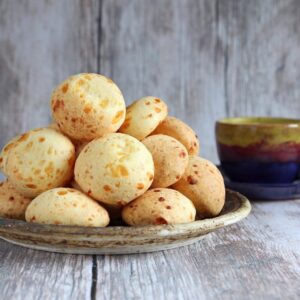
Pandebono is a traditional Colombian cheese bread made with cassava flour, corn starch, eggs, and queso costeño or fresh cheese. It is naturally gluten-free, has a spongy interior and a delicate crust, making it unique compared to other bread types.
Flavor, texture and aroma:
Its smell is warm and slightly sweet, the inside is soft and chewy, and the flavor is mildly salty thanks to the cheese. When eaten freshly baked, it melts in your mouth, a true moment of joy for any Colombian. Each bite is creamy and comforting, often evoking memories of family breakfasts or festive occasions. Even the sound of biting into its soft interior is satisfying, making pandebono a multisensory delight.
Ingredients and Baking Instructions
Below are the traditional ingredients used in most Colombian homes. You can find them in Latin stores in Vancouver as well:
Ingredients:
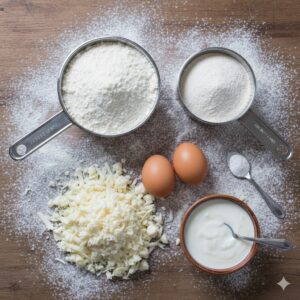
- 1 cup cassava flour (yuca flour/harina de yuca)
- 1 cup corn starch
- 1 ½ cups grated fresh cheese or queso costeño
- 2 eggs
- 3–4 tbsp milk or yogurt for softness
- 1 tsp baking powder
Step-by-Step Recipe:
- Mix cassava flour, corn starch and baking powder.
- Add grated cheese and combine well.
- Incorporate the eggs and mix until the dough begins to form.
- Add milk or yogurt slowly until the dough is smooth and moldable.
- Preheat oven to 180°C / 350°F.
- Shape into small balls and place on a baking sheet.
- Bake for 15–20 minutes or until golden and slightly cracked on top.
You’ll know they are ready when your kitchen smells like a Colombian bakery. The aroma alone will make everyone eager to taste them, and the golden color is a sign of perfectly baked pandebono.
If you’re more of a visual learner, we also included a full video demonstration where you can watch the entire process in real time from mixing the dough to the final golden bake.
Want to see the recipe in action? Watch this video on how to make pandebonos:
Tips to Get the Perfect Pandebono
Prevent dough from getting too dry:
If your dough cracks, add a little milk. The ideal texture is soft and slightly sticky, not crumbly.
Want them extra cheesy?
Add more fresh cheese or mozzarella. Many Colombians love pandebonos that stretch when pulled apart.
For a lighter, airy texture:
Use yogurt instead of milk, it makes them fluffier.
A Little History about pandebono
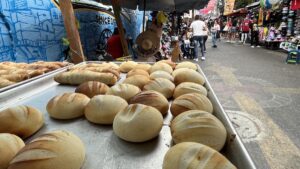
Pandebono originated in Valle del Cauca, especially around Cali, where it is traditionally eaten hot with coffee. Over time, it expanded across Colombia and became a bakery symbol from the coast to Bogotá. For Colombians living abroad, pandebono often tastes like childhood, it reminds them of mornings before school, family visits, or Christmas gatherings.
Why it means so much to Colombians?
Food connects us with home. Pandebono brings warmth, memories, and a sense of belonging especially for those far from Colombia. It’s a small, edible reminder of culture and tradition, comforting and joyful in every bite.
Health Benefits of Pandebono
Even though it’s a delicious treat, pandebono has some nutritional benefits that make it a better snack than many store-bought breads.
-Naturally gluten-free
Made primarily from cassava flour, pandebono is naturally gluten-free. This makes it easier to digest for people with gluten sensitivities.
If you’d like to learn more about the health benefits of cassava flour, click here http://healthline.com/nutrition/cassava-flour to read an article that explains its nutritional properties in more detail.
-Energy booster
Thanks to its combination of starch and cheese, it provides a good source of carbohydrates and protein, giving you energy for busy mornings or long afternoons.
-Rich in protein and calcium
Cheese adds protein and calcium to the bread, supporting bone health while making the snack filling and satisfying.
-Better alternative to processed snacks
Compared to packaged breads and snacks, freshly baked pandebono has fewer additives and more natural ingredients.
How to Store and Reheat Pandebono
Even though pandebono tastes best fresh from the oven, you can store it for later without losing its flavor or softness.
How to store pandebono:
- Let them cool completely before storing.
- Place them in an airtight container or wrap in plastic.
- Keep at room temperature for 1–2 days.
For longer storage, freezing is the best method. Freeze baked or unbaked pandebonos to enjoy later.
How to reheat pandebono properly:
- Oven method (best): heat 5–8 min at 160°C / 320°F.
- Air fryer: 3–5 min until soft and warm.
- Avoid microwaving, it makes them rubbery.
Storing unbaked dough or frozen balls:
You can form the dough into balls and freeze them raw. When ready to eat, bake directly, no defrosting needed. Perfect for busy mornings or last-minute cravings.
Perfect Pairings to Enjoy Pandebono

Traditional Colombian beverages:
Coffee, hot chocolate, avena fría, or chocolate con queso.
Savory or sweet additions:
You can eat it plain, or add butter, jam, or guava paste.
Snack combos:
Pair with buñuelos, almojabanas, or pan de yuca for a complete Colombian breakfast.
A Taste of Home
Pandebono is not just bread, it’s tradition, aroma, warmth, and flavor. Whether you bake it at home using this recipe or enjoy it freshly baked from a Colombian bakery, this delicious cheese bread will make you feel closer to Colombia with every bite. Its creamy texture, cheesy flavor, and comforting aroma make it irresistible.
Visit our Home page to explore more Colombian treats or go to Our products to order and get them delivered hot to your door.